The IoT Revolution in Healthcare: Transforming Patient Care and Hospital Management
Introduction to IoT in Healthcare
The Internet of Things (IoT) represents a significant shift in how technology interacts with everyday life, particularly within the healthcare sector. It refers to the interconnected network of devices that collect, transmit, and analyze data to enhance decision-making and operational efficiency. The relevance of IoT in healthcare cannot be overstated, as it facilitates a transformative approach to patient care and hospital management.
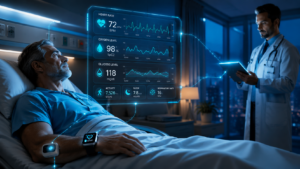
Interconnected healthcare devices are enabling more comprehensive patient monitoring and data collection. Smart medical devices, such as wearables and implantables, gather real-time data such as heart rate, glucose levels, and other vital signs, allowing healthcare professionals to make informed decisions regarding treatment plans. This continuous flow of information not only improves the quality of patient care but also empowers patients to take charge of their health management.
Moreover, the integration of IoT technology into healthcare systems promotes operational efficiency. Hospitals can employ smart inventory management systems that track medical supplies and equipment, reducing waste and ensuring that essential items are always available. Furthermore, telehealth applications enhance accessibility, enabling remote consultations and monitoring for patients, which is particularly beneficial in rural or underserved areas.
While the advantages of IoT in healthcare are promising, there are also challenges that need to be addressed. Issues related to data privacy and security are paramount, as the large amounts of sensitive patient information being collected warrant stringent protection measures. Additionally, the integration of diverse technologies into existing healthcare frameworks requires careful planning and execution to avoid disruptions.
In conclusion, the Internet of Things is reshaping the landscape of healthcare by enhancing patient care, streamlining operations, and fostering proactive health management. The continuing evolution of this technology promises to bring further innovations in the years to come.
Remote Patient Monitoring: A New Era of Care
Remote Patient Monitoring (RPM) represents a significant advancement in healthcare, utilizing technology to enhance patient management and improve health outcomes. RPM encompasses a variety of devices and applications that enable healthcare providers to track patients’ vital signs and health data in real time. These technologies serve to empower patients by making healthcare more accessible and personalized.
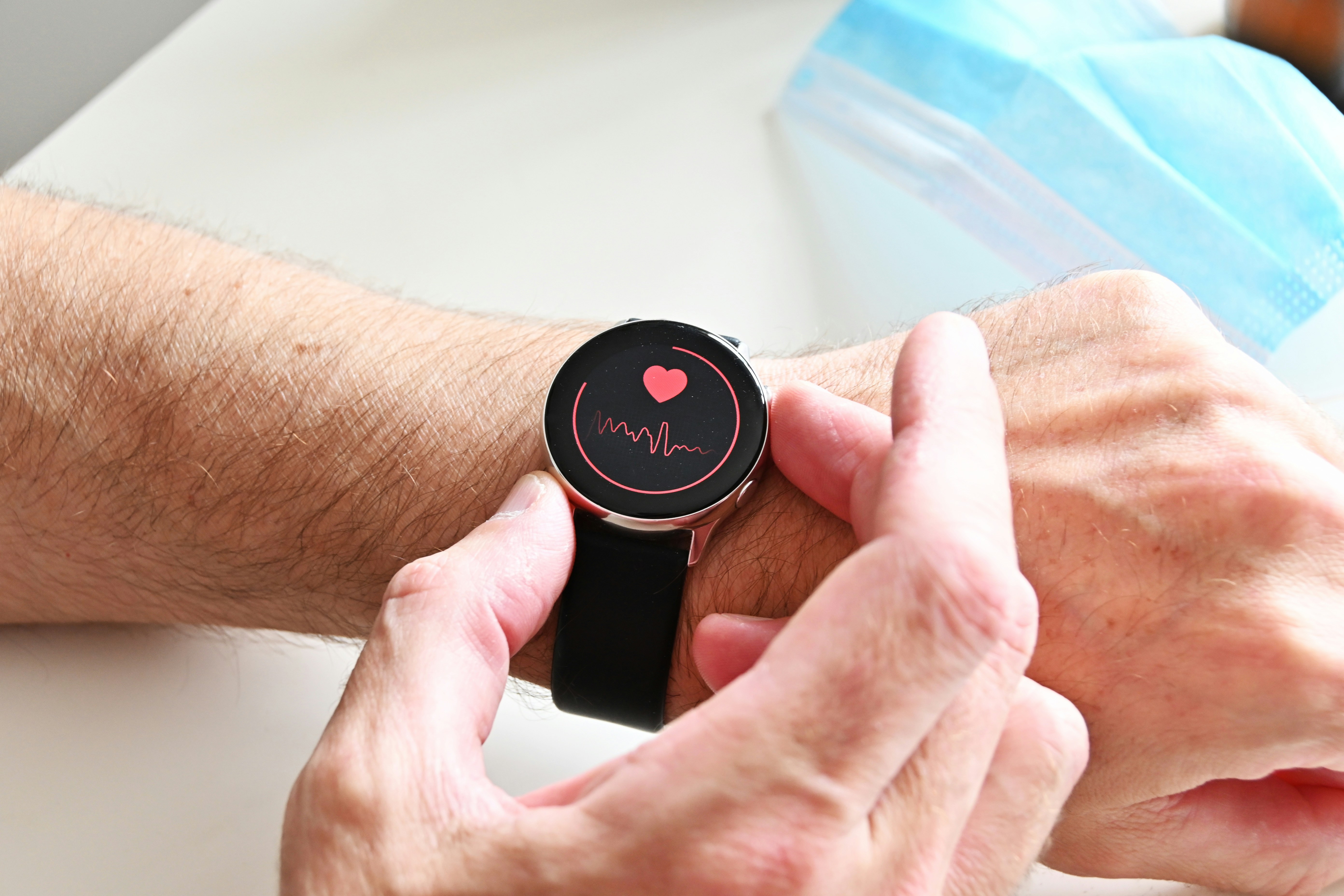
At the forefront of RPM are smart wearables, such as fitness trackers and smartwatches, which monitor heart rate, physical activity, and even sleep patterns. These devices not only provide valuable data that can be analyzed by healthcare professionals but also encourage patients to take an active role in their health management. Home monitoring systems, ranging from blood pressure cuffs to glucose monitors, further allow patients with chronic conditions to maintain oversight of their health from the comfort of their homes.
The integration of RPM into healthcare systems introduces the capability for continuous monitoring, mitigating the risk of hospital readmissions and complications. For instance, by constantly tracking a patient’s vital signs, healthcare providers can quickly identify irregularities and intervene before a situation escalates. This proactive approach fosters better management of chronic diseases, such as diabetes or heart disease, thereby improving patient outcomes.
Additionally, RPM aids in bridging geographical barriers, making it particularly beneficial for patients in rural areas who may have limited access to medical facilities. The shift towards remote monitoring not only optimizes resource allocation within hospitals but also enhances the overall efficiency of healthcare delivery. By reducing unnecessary hospital visits, RPM contributes to lower healthcare costs and a more streamlined patient experience.
As we embrace this new era of care, the advancements in remote patient monitoring technologies hold promising potential for transforming healthcare delivery and patient engagement, driving us towards a more efficient and patient-centered model of care.
Wearable Devices: Revolutionizing Personal Health Management
Wearable devices have emerged as transformative tools in the healthcare landscape, facilitating personal health management in unprecedented ways. These devices include fitness trackers, smartwatches, and smart clothing, each designed to monitor various physiological parameters and promote healthier lifestyles. With the integration of advanced sensors and software, wearables empower individuals to track their physical activity, heart rate, sleep patterns, and even blood oxygen levels in real-time.
The proliferation of fitness trackers, for example, has provided users with the ability to set personalized goals, monitor their progress, and receive insights into their daily activity levels. Many of these devices encourage users to increase their physical activity by sending reminders or notifications, thereby fostering a more active lifestyle. Smartwatches, often regarded as multifunctional devices, not only serve as fitness trackers but also allow for seamless communication, access to health apps, and even ECG monitoring. This multi-faceted functionality underscores the potential of wearables in promoting adherence to treatment plans and health-improvement strategies.
Moreover, wearable technology significantly reduces the barriers between patients and their healthcare providers. Data collected from these devices can be shared with physicians, enabling them to monitor patients remotely and make informed decisions regarding their care. This real-time data exchange fosters a collaborative approach to health management and can lead to more tailored treatment plans and timely interventions. Additionally, wearables can alert users of irregularities in their health data, which may lead to prompt medical evaluation and intervention, particularly for those with chronic conditions.
Ultimately, the rise of wearable devices in healthcare signifies a shift towards patient empowerment and proactive health management. By equipping individuals with the tools to self-monitor their health conditions, the potential for improved patient outcomes and enhanced quality of care is vast. As technology continues to evolve, it is anticipated that wearables will play an increasingly important role in fostering a culture of health awareness and preventative care.
Smart Hospital Management Systems: Improving Operational Efficiency
The integration of Internet of Things (IoT) technologies into healthcare settings is fundamentally reshaping hospital management systems. Smart hospital management systems utilize a variety of IoT technologies, including smart sensors, RFID tracking, and advanced data analytics, to enhance operational efficiency and improve patient care. By employing these innovative solutions, hospitals are able to optimize resource allocation, streamline patient flow, and ultimately deliver higher-quality healthcare services.
One of the key components of smart hospital management is the use of smart sensors. These devices can monitor various environmental factors within the hospital, such as temperature, humidity, and equipment performance. By gathering real-time data, healthcare administrators can respond promptly to any irregularities, ensuring that both patients and staff operate within safe and comfortable conditions. Additionally, smart sensors facilitate the effectiveness of preventive maintenance, which minimizes equipment downtime and increases the availability of critical resources.
RFID tracking technology plays an essential role in improving asset management within hospitals. By tagging medical equipment, supplies, and even patients, healthcare providers can efficiently track the location and status of resources in real time. This level of organization not only prevents loss and misplacement of medical equipment but also enables hospitals to effectively manage their inventory. Enhanced visibility into resource utilization allows for better planning, ultimately leading to an increase in operational efficiency.
Data analytics is another powerful tool in smart hospital management systems. By analyzing data collected from various IoT sources, hospitals can uncover trends and patterns that inform decision-making. This allows for the optimization of staffing levels based on patient flow, as well as the identification of areas requiring improvement in care delivery processes. Consequently, healthcare facilities can improve operational efficiency and enhance the overall patient experience.
Benefits of IoT in Healthcare
The Internet of Things (IoT) plays a significant role in revolutionizing the healthcare industry by introducing numerous advantages that enhance patient care and hospital management. One of the most prominent benefits is the capability for continuous patient monitoring. Wearable devices and smart sensors allow healthcare providers to gather real-time data on patients’ vital signs, making it possible to detect changes in health status immediately. This continuous stream of information empowers healthcare professionals to make timely interventions, which can significantly improve patient outcomes.
Moreover, IoT enables personalized healthcare experiences tailored to the individual needs of patients. By analyzing the data collected from various devices, medical practitioners can offer customized treatment plans that align with patients’ specific health conditions and preferences. This level of personalization not only improves patient satisfaction but also encourages adherence to treatment protocols, fostering a proactive approach to health management.
Enhanced communication between patients and healthcare providers is another critical benefit of IoT. With connected devices, patients can easily relay their health data to their doctors, which facilitates more informed decision-making and strengthens the patient-provider relationship. Additionally, telemedicine solutions powered by IoT enable consultations and follow-ups, reducing the need for in-person visits while still ensuring quality care.
Furthermore, the integration of IoT in healthcare can lead to reduced costs. Operational efficiencies are achieved through the automation of tasks, improved resource allocation, and minimized hospital readmissions due to better monitoring and preventive care. As a result, healthcare providers can manage their resources more effectively while optimizing care delivery.
In conclusion, the numerous benefits of IoT in healthcare—including continuous patient monitoring, personalized experiences, enhanced communication, and cost reductions—portend a transformative shift in healthcare delivery, promising improved health outcomes for patients while streamlining hospital management.
Privacy and Security Concerns in IoT
The integration of Internet of Things (IoT) devices in healthcare has revolutionized how patient care is delivered and managed. However, this advancement also raises significant privacy and security concerns that must be addressed to maintain the integrity of patient information and the healthcare system as a whole. With the increasing reliance on connected devices, the risk of unauthorized access to sensitive health data becomes more pronounced. This necessitates a comprehensive approach to data protection, focusing on safeguarding patient information from breaches and cyber threats.
One of the primary concerns in the adoption of IoT in healthcare is the potential vulnerabilities associated with connected medical devices. These devices can include everything from wearables that monitor vital signs to smart beds and infusion pumps. If not adequately secured, they can serve as entry points for cybercriminals looking to exploit healthcare systems. According to various studies, many healthcare IoT devices have been found to experience insufficient security measures, making them particularly susceptible to hacking and data breaches. This aggravated risk underscores the need for stringent security protocols during device deployment and operation.
Moreover, the regulatory landscape governing IoT and healthcare data privacy is continually evolving. Compliance with laws such as the Health Insurance Portability and Accountability Act (HIPAA) is critical for healthcare providers utilizing IoT technology. These regulations are designed to protect patient information, featuring guidelines on data handling, sharing, and storage. Healthcare institutions must ensure that any IoT systems implemented comply with these regulations to mitigate legal risks and bolster trust among patients. By adopting robust security measures and adhering to privacy laws, healthcare organizations can not only protect sensitive data but also leverage IoT technologies effectively and ethically.
Real-World Applications of IoT in Healthcare
The integration of Internet of Things (IoT) technologies into healthcare has led to transformative advancements across various domains, significantly improving patient monitoring, chronic disease management, and overall hospital management. Several innovative solutions have emerged as case studies that exemplify the effective implementation of IoT in real-world settings.
One prominent example is the use of remote patient monitoring systems, which enable healthcare providers to observe patients’ vital signs from a distance using wearable devices. For instance, smart wearable technologies like smartwatches and fitness bands have been successfully utilized by hospitals to track heart rate, oxygen levels, and even blood glucose levels in patients with chronic illnesses. This facilitates early detection of potential health issues and allows timely intervention, thereby enhancing patient outcomes.
Moreover, IoT applications have revolutionized chronic disease management by connecting patients directly to healthcare providers. Through continuous data collection, healthcare professionals can gain actionable insights about their patients’ conditions. A notable instance of this is the deployment of IoT-enabled insulin pumps that automatically adjust insulin doses based on real-time glucose monitoring. Such innovations not only help in managing diabetes effectively but also empower patients to take control of their health.
Telemedicine has also benefited significantly from IoT technologies, especially during the COVID-19 pandemic. Hospitals have embraced virtual care solutions, enabling remote consultations via connected devices. For example, a healthcare startup developed an IoT-based platform that connects patients with healthcare professionals through video conferencing, allowing for seamless communication and timely advice, which has proven essential in maintaining health services during lockdowns.
These examples illustrate how the IoT revolution in healthcare is not just a theoretical concept, but a practical reality that is reshaping how healthcare is delivered, thereby enhancing patient care and optimizing hospital management.
Challenges and Future of IoT in Healthcare
The integration of Internet of Things (IoT) technologies into healthcare presents numerous challenges that can hinder its effective implementation. One primary concern is interoperability. Various devices and platforms within healthcare settings often use different communication standards and protocols, leading to compatibility issues. This fragmentation can result in inefficiencies and significant barriers to real-time data sharing among healthcare providers, which is critical for enhancing patient outcomes.
Another challenge is the cost associated with deploying IoT systems in healthcare environments. High initial investment in smart devices, infrastructure, and necessary cybersecurity measures can pose financial strain, particularly for smaller healthcare providers or facilities with limited budgets. Additionally, maintaining and upgrading these systems entails ongoing costs that may not yield immediate returns, complicating budgetary decisions.
The digital divide also represents a formidable obstacle to the widespread adoption of IoT in healthcare. Patients in underserved communities may lack access to the necessary technology or reliable internet connectivity, exacerbating inequalities in healthcare delivery. Bridging this gap calls for innovative strategies, such as government incentives, community-based programs, and public-private partnerships aimed at enhancing technological access and literacy within marginalized populations.
Despite these challenges, the future of IoT in healthcare appears promising. Continued advancements in technology, such as the development of standardized communication protocols and improved cybersecurity measures, are essential to overcoming interoperability issues. Emerging trends like artificial intelligence and machine learning are enhancing the capabilities of IoT systems, enabling more accurate data analysis, early diagnosis, and personalized treatment plans.
Furthermore, the growing emphasis on telehealth, particularly after the COVID-19 pandemic, showcases the potential for IoT to revolutionize patient care and hospital management. As healthcare providers increasingly recognize the benefits of these interconnected systems, we can anticipate transformative changes that enhance the healthcare experience for both patients and providers alike.
Conclusion: The Future of Healthcare with IoT
The integration of IoT technologies into the healthcare sector marks a significant advancement in enhancing patient care and hospital management. As the previous sections have highlighted, IoT devices provide real-time monitoring and data collection, allowing for personalized treatment plans and improved health outcomes. Connectivity enables healthcare professionals to access vital information regardless of location, fostering immediate responses to patient needs, particularly in emergency situations. By streamlining processes and reducing response times, IoT has the potential to revolutionize how healthcare is delivered.
Moreover, the implementation of IoT devices promises increased operational efficiency within hospitals. By automating routine tasks and monitoring equipment, healthcare facilities can optimize resource allocation and ensure that staff are better utilized in patient-focused roles. Such efficiencies not only reduce costs but also enhance the overall experience for patients and caregivers alike. The ability to analyze vast amounts of data sourced from IoT devices can lead to informed decisions and improved practices conditioned on real-world evidence, further promoting better health services.
However, as we progress into this IoT-driven future, it is essential to acknowledge the ethical and security concerns that accompany these technologies. Protecting patient privacy and securing sensitive health data from cyber threats must remain a priority as healthcare systems evolve. Ensuring that technological advancements do not compromise the trust between patients and providers is crucial for the long-term success of IoT integration in healthcare.
In conclusion, the potential for IoT to transform the healthcare landscape is profound. By embracing innovation while diligently addressing ethical and security issues, stakeholders can fully harness the benefits of IoT technologies. The future of healthcare resonates with a promise of enhanced service delivery, improved patient outcomes, and operational efficiencies that can ultimately redefine the patient experience.
About The Author