

healthcare iot applications: Healthcare IoT Applications Transforming Patient Care
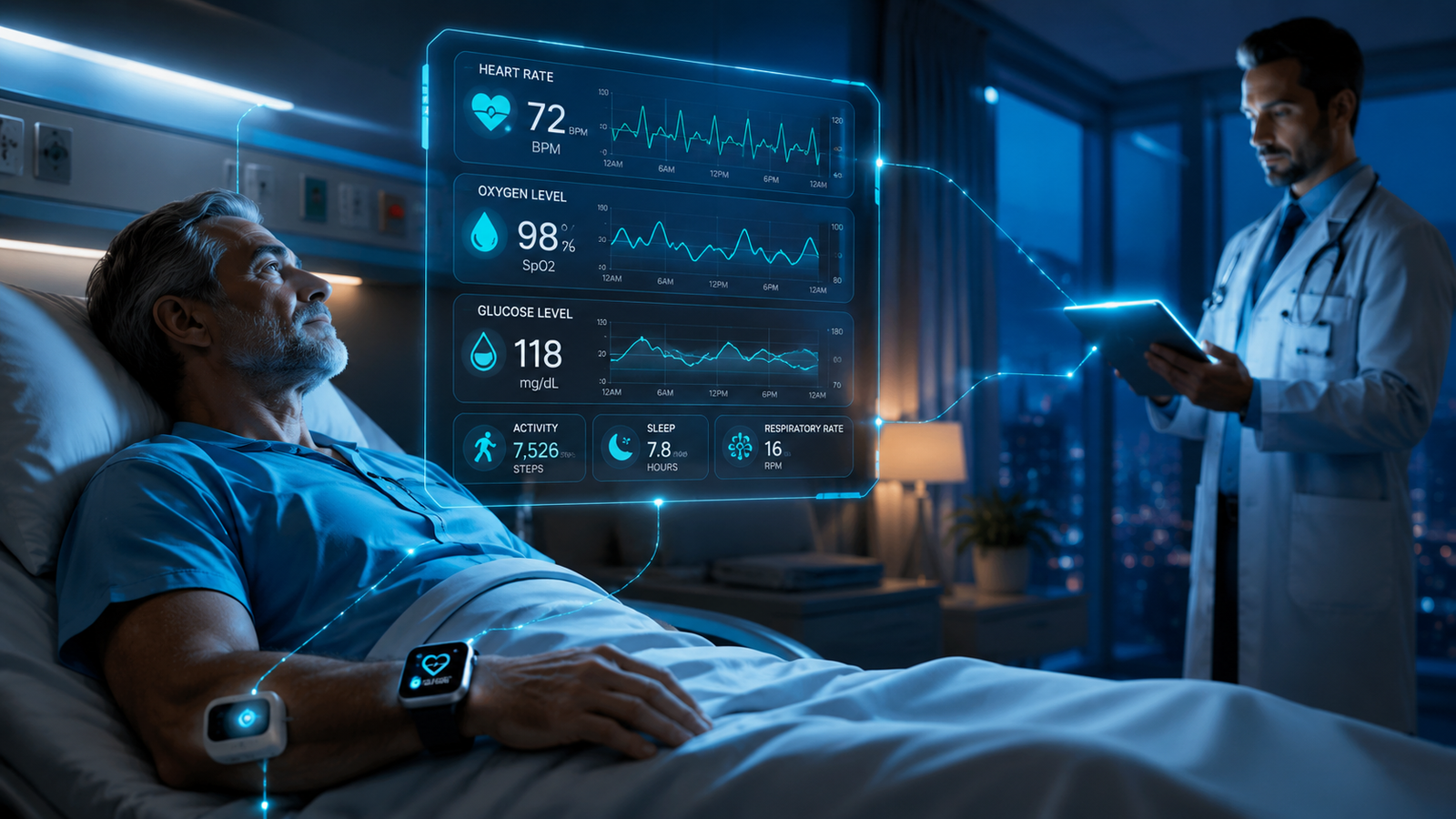
Healthcare IoT Applications Transforming Patient Care
Hospitals are no longer just buildings with doctors and beds. Today, they are living networks of connected devices, real-time data streams, and intelligent systems working quietly in the background. At the centre of this shift are healthcare IoT applications — and they are changing the way patients receive care, sometimes before a crisis even begins.
Think about a diabetic patient at home whose glucose monitor automatically alerts their doctor when levels drop dangerously low. No missed call. No delayed visit. Just immediate, data-driven action. This is not the future. This is happening right now, in hospitals and clinics across the world.
So, let us explore what these applications actually do, how they work in practice, and why they matter more than ever.
What Are Healthcare IoT Applications?
Simply put, healthcare IoT applications connect medical devices, sensors, and software to collect and share patient data in real time. The term “IoT” stands for Internet of Things — a network of physical objects that communicate over the internet.
In healthcare, these objects include wearable monitors, smart infusion pumps, remote diagnostic tools, and even hospital beds equipped with pressure sensors. Together, they give doctors and nurses a clearer, faster picture of each patient’s condition.
According to a report by Fortune Business Insights, the global healthcare IoT market was valued at over $127 billion in 2023 and is expected to grow significantly through 2030. The numbers reflect a clear message — healthcare institutions are betting heavily on connected technology.
Key Healthcare IoT Applications You Should Know
1. Remote Patient Monitoring
This is one of the most widely used healthcare IoT applications today. Devices worn on the body — or placed at home — continuously track vitals like heart rate, blood pressure, oxygen levels, and temperature.
For patients with chronic conditions such as heart disease or COPD, this means constant oversight without constant hospital visits. Doctors receive alerts if something looks unusual, and they can act quickly. Patients, in turn, feel supported rather than left on their own between appointments.
2. Smart Wearable Devices
Smartwatches and fitness bands have evolved far beyond counting steps. Medical-grade wearables now monitor ECG patterns, detect irregular heartbeats, and even flag early signs of atrial fibrillation.
Apple Watch’s ECG feature, for example, has reportedly detected heart conditions in users who had no prior symptoms. These are not just gadgets. They are early warning systems you wear on your wrist.
3. Connected Glucose Monitors for Diabetes Management
Managing diabetes used to mean pricking your finger multiple times a day. Continuous glucose monitors (CGMs) have changed that entirely. These small sensors sit just under the skin and send real-time glucose readings to a smartphone or insulin pump.
Moreover, some systems now automatically adjust insulin delivery based on glucose trends — a feature that was unimaginable just a decade ago. For millions of diabetic patients, this combination of healthcare IoT applications has become life-changing.
4. Smart Hospital Infrastructure
IoT is not limited to patient devices. Hospitals themselves are becoming smarter. Sensors track the location of equipment like IV pumps and wheelchairs, reducing time wasted searching for tools. Smart beds detect patient movements and send alerts if a fall risk is identified.
Additionally, environmental sensors monitor air quality, temperature, and humidity in wards — conditions that directly affect patient recovery. Small details, but they add up to a safer environment overall.
5. IoT-Enabled Medication Management
Medication errors are a serious concern in any hospital. IoT-based dispensing systems reduce this risk by verifying the right drug, right dose, and right patient before medication is administered.
Smart pill dispensers for home use also remind patients when to take their medicine and send alerts to caregivers if a dose is missed. This is especially helpful for elderly patients living alone or those managing multiple prescriptions.
How Healthcare IoT Applications Improve Patient Outcomes

The benefits go beyond convenience. Here is what the data and real-world experience consistently show:
- Faster diagnosis: Real-time data reduces the time between a symptom appearing and a doctor responding.
- Fewer hospital readmissions: Remote monitoring catches warning signs before they become emergencies.
- Better chronic disease management: Patients with conditions like hypertension or asthma see fewer complications when monitored continuously.
- Reduced healthcare costs: Preventing one hospitalisation saves far more than months of remote monitoring devices.
A study published in the Journal of Medical Internet Research found that remote patient monitoring reduced hospital readmissions by nearly 38% in heart failure patients. That is a number worth pausing on.
Challenges That Still Need Addressing
No technology is without its complications. Healthcare IoT applications face a few genuine hurdles:
- Data privacy and security: Patient data is sensitive. IoT devices, if not properly secured, can become entry points for cyberattacks. Healthcare organisations must invest in strong encryption and compliance with standards like HIPAA or India’s Digital Personal Data Protection Act.
- Device interoperability: Not all IoT devices speak the same digital language. Integrating multiple systems into one seamless workflow remains a technical challenge for many hospitals.
- Connectivity in rural areas: IoT depends on reliable internet. In areas with poor connectivity, the benefits of these applications are harder to access — precisely where better healthcare is often most needed.
These are solvable problems, but they require deliberate effort and investment.
What Is Coming Next in Healthcare IoT?
The next wave is already taking shape. AI-powered IoT systems will not just collect data — they will interpret it, predict risks, and recommend treatments. Ambient clinical intelligence, where rooms themselves listen and document patient interactions, is being piloted in some US hospitals.
In India, startups and government health initiatives are beginning to explore IoT-powered rural health kiosks. These kiosks allow patients to check vitals, upload readings, and consult doctors remotely — bringing specialist-level care to places that previously had almost none.